
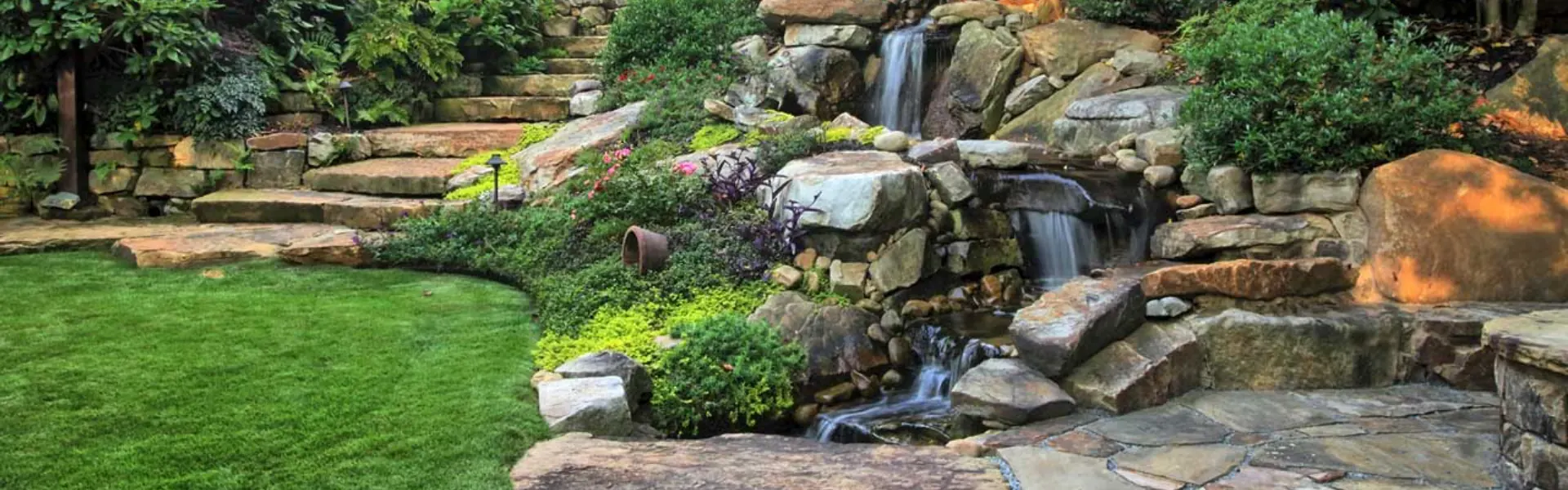
Georgia summers are brutal on lawns. Between the heat, clay soil, and unpredictable rain, keeping your grass green takes more than just watering. This post walks you through the key lawn care habits that protect your yard from June through August and keep it looking its best all season. If you’ve ever watched a perfectly green lawn turn patchy and brown by mid-July, you’re not imagining things. Summer lawn care in Georgia is genuinely challenging, and the conditions here are unlike most of the country. High humidity, stretches of drought, afternoon thunderstorms that do more harm than good, and clay-heavy soil that either bakes or floods depending on the week. It’s a lot to manage.
The good news is that a healthy summer lawn is absolutely achievable in North Atlanta and the surrounding suburbs. It just requires the right approach at the right time. Whether you’re doing it yourself or thinking about bringing in some help, here’s what your yard actually needs to get through the season looking great.
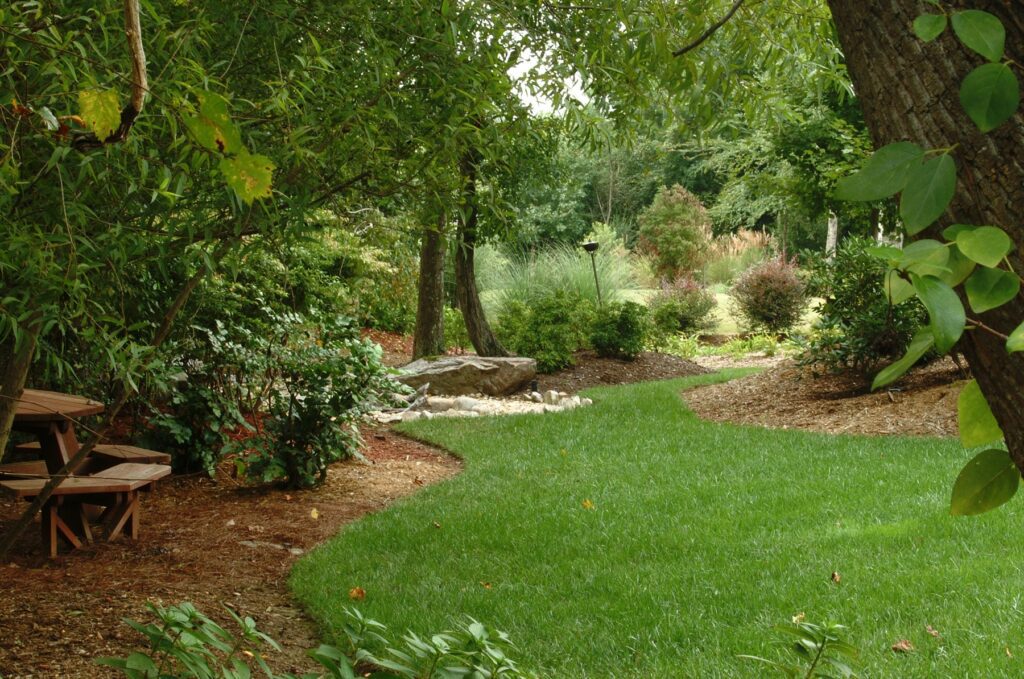
Why Georgia Summers Are So Hard on Lawns
Before getting into the solutions, it helps to understand what you’re up against. Georgia summers combine heat, humidity, and soil conditions that stress grass in multiple ways at once.
Most lawns in the Marietta area are planted with warm-season grasses like Bermuda, Zoysia, or Centipede. These grasses are built for heat, but they still have limits. When temperatures consistently hit the upper 90s and soil moisture becomes inconsistent, even the toughest warm-season turf can struggle.
Clay soil, which is extremely common throughout Cobb County and Cherokee County, makes the problem worse. Clay holds water when it’s wet and becomes almost concrete-like when it dries out. That means your grass roots are either drowning or gasping depending on recent rainfall. Neither condition is ideal for sustained green growth.
The Most Important Lawn Care Tips for Georgia Summer
Water Deeply, Not Daily
The biggest watering mistake homeowners make in summer is watering too frequently and too lightly. A quick daily sprinkle keeps the moisture near the surface, which encourages shallow root growth. Shallow roots are the first to suffer when a dry stretch hits.
Instead, water deeply two to three times per week. You want the water to penetrate about six inches into the soil, which is where strong roots live. Early morning is the best time, ideally before 9 a.m. Watering in the afternoon leads to excessive evaporation, and watering at night leaves your lawn damp overnight, which invites fungal problems.
Raise Your Mowing Height
It feels counterintuitive, but cutting your grass shorter in summer actually causes more stress, not less. Taller grass blades provide shade for the soil, help retain moisture, and allow the root system to stay cooler. During peak summer heat, try to keep Bermuda at around one to one and a half inches and Zoysia closer to two inches.
Also, never cut more than a third of the blade height in a single mow. Removing too much at once shocks the grass and leaves it vulnerable to heat and pest damage.
Stay Consistent With Fertilization
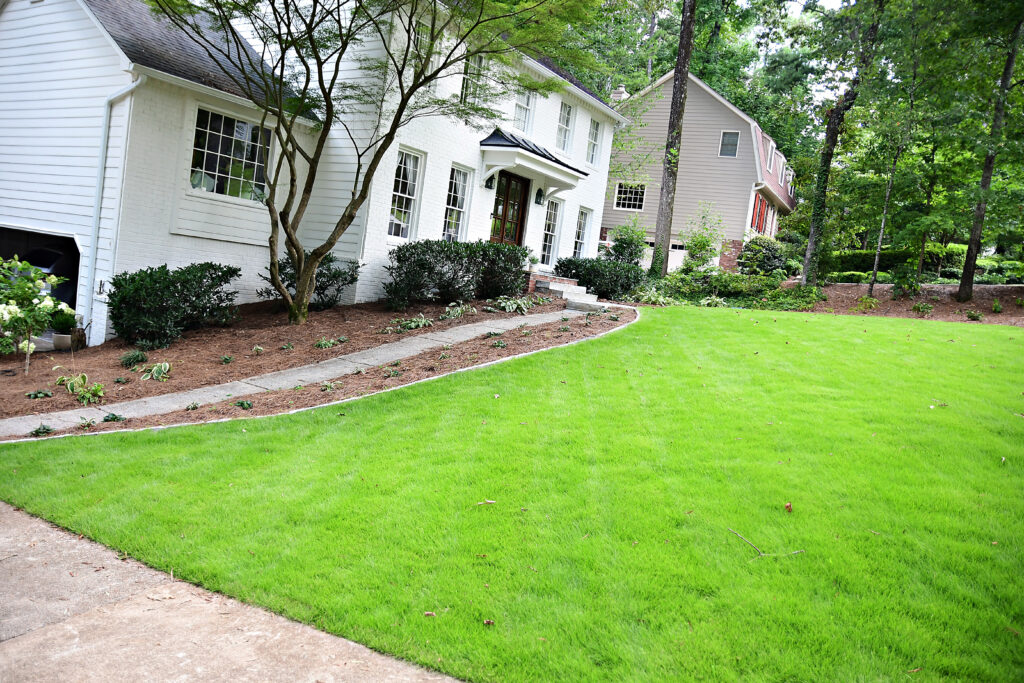
Summer is not the time to skip fertilizing. Warm-season grasses are actively growing from May through August, which means they need fuel. A slow-release nitrogen fertilizer applied in early summer gives your lawn steady nutrition without pushing it into rapid growth that it can’t sustain in the heat.
Avoid heavy fertilizer applications during extreme heat waves. If temperatures are consistently above 95 degrees, hold off and wait for a slightly cooler window.
Mulch Your Beds to Protect Your Lawn’s Edges
One thing homeowners often overlook is how the health of your landscape beds affects your lawn. Bare or dry soil in your flower beds and borders pulls moisture from surrounding turf and creates edges that burn easily. Fresh mulch in your beds retains moisture, regulates soil temperature, and keeps the overall landscape looking sharp.
Our lawn maintenance services include bed maintenance that keeps the whole property healthy, not just the grass.
Watch for Summer Lawn Diseases
Georgia summers create perfect conditions for fungal diseases like brown patch and dollar spot. If you’re seeing circular brown or tan patches appearing in your lawn, especially after a rainy stretch, fungal disease may be the cause rather than drought stress.
The fix is different for disease than it is for drought, so it’s worth identifying the cause before you start throwing water at the problem. When in doubt, a professional eye helps.
Planning a Bigger Fix? Summer Is a Good Time to Think About Design
Sometimes a patchy, struggling lawn is a sign of a deeper issue, whether that’s poor drainage, wrong grass variety, too much shade, or compacted soil that needs aeration. If you’re tired of fighting the same problems every summer, it might be time to look at a longer-term solution.
Our team specializes in landscape design and installation for properties throughout North Atlanta. We can assess what’s actually causing the problem and build a plan that makes your yard easier to maintain year after year.
Frequently Asked Questions About Summer Lawn Care in Georgia
How often should I water my lawn in the Georgia summer?
Water two to three times per week, deeply each time. Aim for about an inch of water per session. Watering in the early morning gives the best results and reduces evaporation and fungal risk.
Why is my lawn turning brown in July even when I water it?
Brown patches in summer can mean drought stress, fungal disease, or grass going into temporary dormancy to protect itself. Check whether the brown areas are widespread or circular and patchy. Widespread browning is usually drought. Circular patches often point to disease.
What is the best grass for a lawn in the Atlanta area?
Bermuda, Zoysia, and Centipede are the three most common and reliable warm-season grasses for North Atlanta lawns. Bermuda handles high traffic and recovers quickly. Zoysia is dense, slow-growing, and handles shade better. Centipede is low-maintenance but less tolerant of heavy foot traffic.
Is it okay to fertilize in the Georgia summer heat?
Yes, but timing matters. Apply slow-release fertilizer in early summer before the worst heat arrives. Avoid fertilizing during extended heat waves above 95 degrees, as it can push growth the grass cannot sustain.
How do I know if my lawn has a drainage problem?
Standing water after rain, consistently soggy spots, or soil that feels spongy even days after rain are all signs of a drainage issue. Clay soil is a common contributor in Cobb and Cherokee Counties. Drainage problems left unaddressed can kill grass and create long-term landscape damage.

Struggling To Keep Up With Your Lawn This Summer?
Summer lawn care in Georgia takes consistent attention, and between the heat, the humidity, and everything else pulling at your time, it can get away from you fast. P.O.P.S. Landscaping has been helping homeowners across Marietta, East Cobb, Woodstock, Kennesaw, and the surrounding areas keep their properties looking great for over 30 years. If your lawn needs attention this season, whether that’s regular maintenance or a deeper fix, we’re here to help. Contact us today to schedule a consultation and get your yard back on track before the worst of summer sets in.
